How to Design a Reliable Solar Street Lighting System
Aimlux Lighting | March 5, 2026 | Blog
Solar street lighting has become an increasingly popular solution for road infrastructure, rural development, and public space illumination. Compared with traditional grid-powered lighting, solar systems offer advantages such as simplified installation, independent power supply, and reduced long-term operating costs.
However, in many solar street lighting projects, the focus is often placed only on product wattage or price. In reality, choosing a solar street light is only one part of the overall system design.
Several key factors determine whether a solar street lighting project will operate reliably over the long term. These include road width, pole height, installation spacing, local climate conditions, and required backup days.
Understanding how these parameters influence system design helps project planners choose the most suitable configuration while avoiding unnecessary system oversizing.
Why Solar Street Lighting System Design Matters
Unlike conventional street lights that rely on a stable electrical grid, solar lighting systems must generate, store, and manage their own energy.
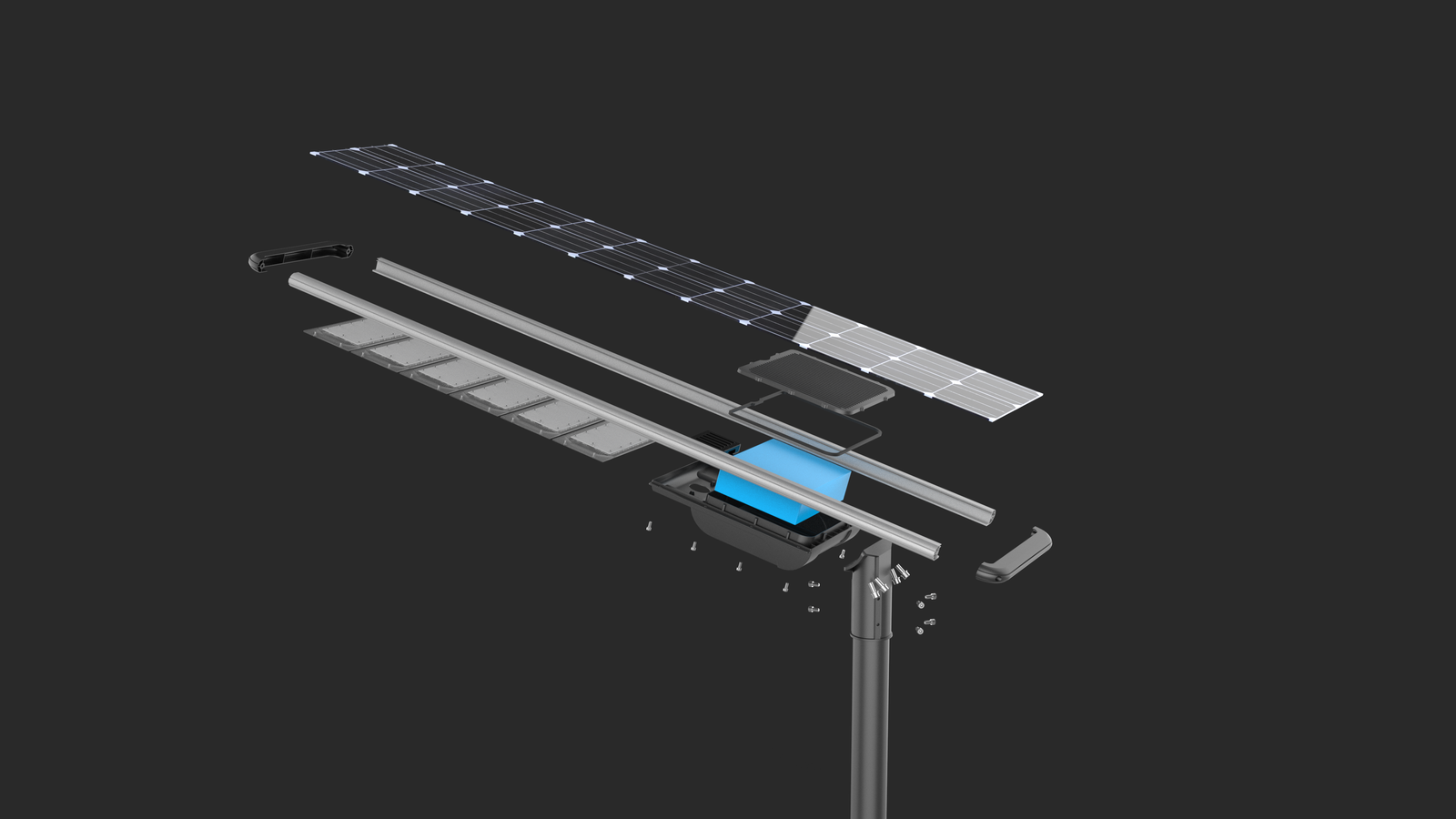
A well-balanced system requires coordination between:
Solar panel power generation
Battery storage capacity
LED lighting consumption
Intelligent controller operation
If these components are not properly matched to real project conditions, the system may experience issues such as:
Insufficient lighting during extended cloudy periods
Oversized batteries leading to unnecessary costs
Solar panels that do not match lighting demand
Reduced battery lifespan
A properly designed solar street lighting solution ensures that all components work efficiently within the real installation environment.
Key Factors That Influence Solar Street Lighting Performance
1. Road Width and Lighting Requirements
Road width directly affects the lighting coverage area and required illumination level.
Different road types require different lighting standards:
Rural roads – lower lighting levels and smaller configurations
Residential streets – balanced brightness and uniformity
Urban roads and highways – higher illumination requirements
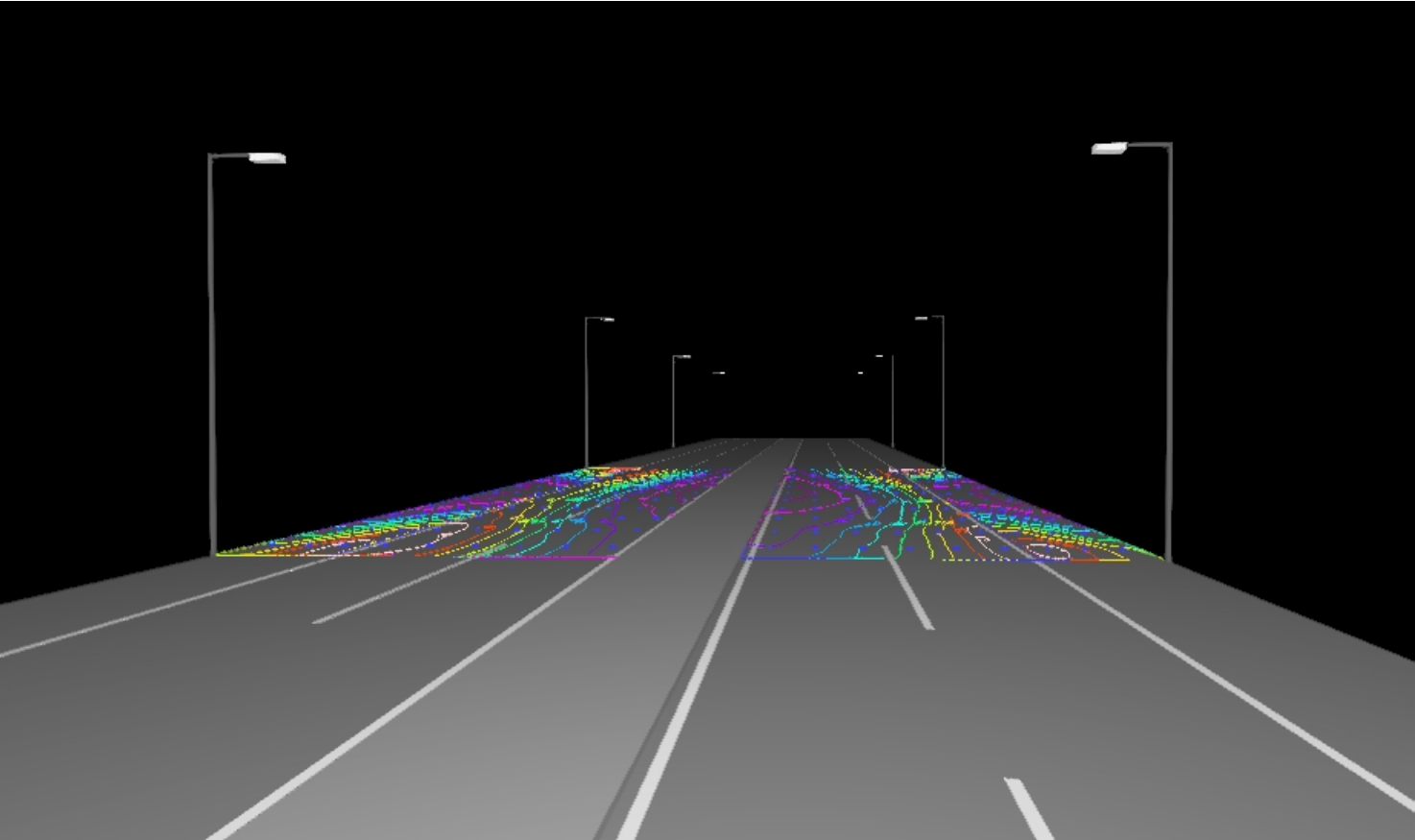
Lighting simulation or basic lighting calculations can help determine the appropriate system power and optical distribution.

2. Pole Height and Installation Spacing
Pole height and spacing between lights are critical parameters in solar street lighting design.
Typical installation parameters include:
Pole height: usually 5–12 meters
Pole spacing: typically 20–40 meters
Installation layout: single-side or double-side
If pole spacing is too wide, lighting uniformity may decrease.
If spacing is too close, the project cost increases unnecessarily.
Optimizing pole height and spacing allows the project to achieve efficient lighting coverage while maintaining cost control.
3. Local Climate and Solar Radiation
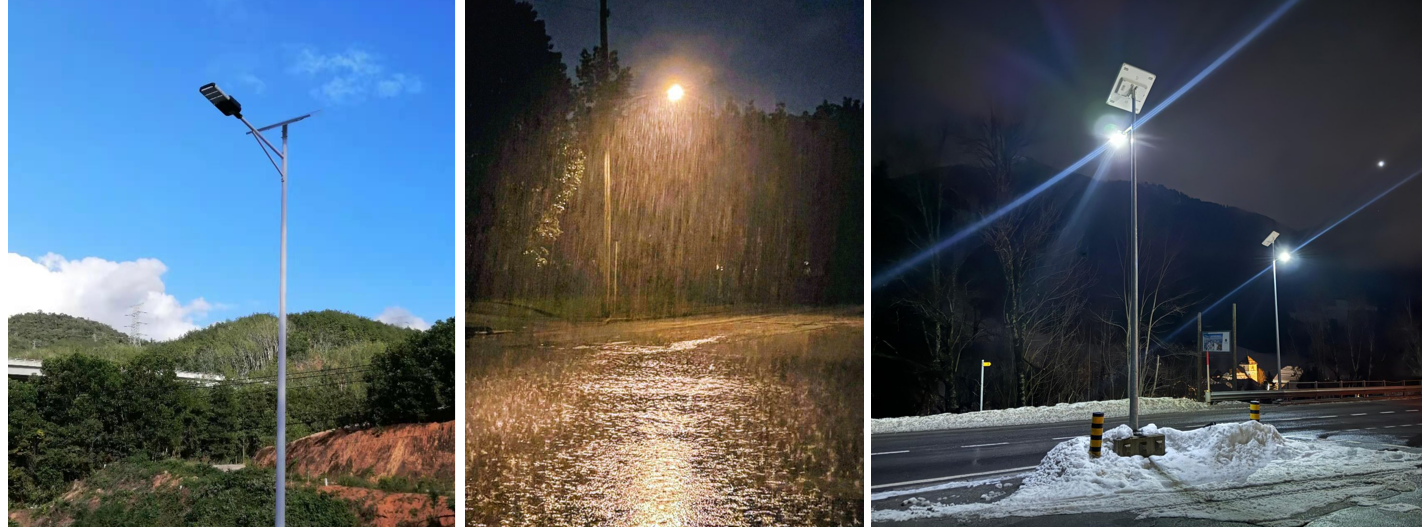
Since solar lighting systems rely entirely on solar energy, local weather conditions play a major role in system performance.
Important factors include:
Average daily solar radiation
Seasonal sunlight variation
Frequency of cloudy or rainy days
For example, projects in tropical regions with frequent rainfall may require larger solar panels or increased battery capacity compared with projects in dry climates.
This ensures the lighting system remains reliable even during periods of limited sunlight.
4. Required Backup Days
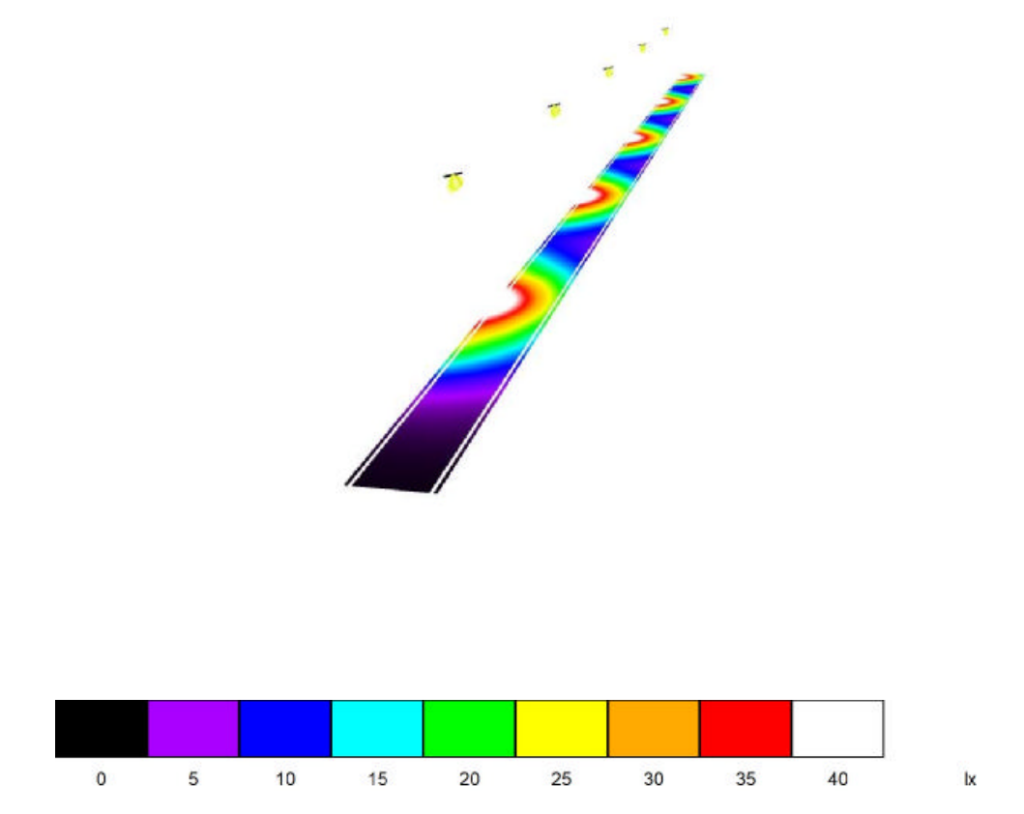
Backup days refer to the number of days a solar street light can operate without receiving sufficient solar charging.
Typical requirements include:
2–3 backup days for regions with stable weather
3–5 backup days or more for regions with long rainy seasons
Choosing appropriate backup days helps ensure that the system maintains stable operation during unfavorable weather conditions.
Avoiding Overconfiguration in Solar Street Lighting Projects
One common mistake in solar street lighting projects is system overconfiguration.
Many projects attempt to guarantee reliability simply by increasing solar panel size or battery capacity. While this may improve safety margins, it can significantly increase project costs.
A more efficient approach is to design the system based on real project parameters, ensuring that every component is optimized for the installation environment.
This allows project planners to achieve:
Reliable lighting performance
Efficient energy usage
Controlled project costs
Longer system lifespan
Practical Solar Street Lighting Solutions
In real projects, the most effective solutions are those designed around specific installation conditions rather than standard product configurations.
At Aimlux Lighting, solar street lighting solutions are typically developed by reviewing project information such as:
Road width
Pole height
Pole spacing
Local climate conditions
Required backup days
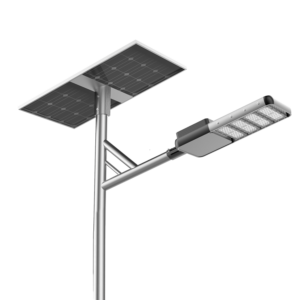
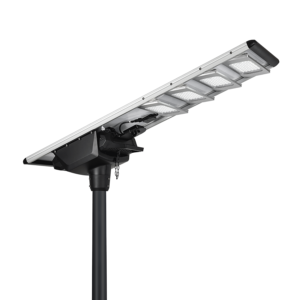
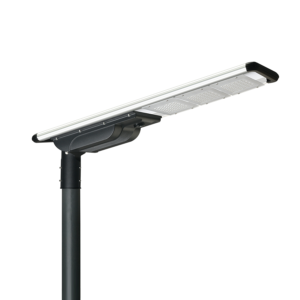
Based on these parameters, different system configurations — including all-in-one or split-type solar street lights — can be selected to balance performance, reliability, and project cost.
This project-based approach helps ensure that each installation achieves stable lighting performance over the long term.
Featured Products
Find out how Aimlux products can help your project
Frequently Asked Questions About Solar Street Lighting Projects
The most important factors include road width, pole height, installation spacing, local climate conditions, and required backup days. These parameters determine the appropriate solar panel size, battery capacity, and system power.
Most projects require 2–3 backup days under normal weather conditions. In regions with frequent rainfall or long cloudy seasons, 3–5 backup days may be recommended to ensure stable operation.
Yes. Solar street lights store energy in batteries during sunny periods. With proper system design and sufficient battery capacity, they can continue operating during several days of cloudy weather.
Not necessarily. Higher wattage may increase brightness but also requires larger solar panels and batteries. The most effective solution is to match system power to the actual lighting requirements of the road.
Conclusion
Solar street lighting provides a reliable and sustainable solution for infrastructure and public lighting projects. However, achieving long-term performance requires more than simply selecting a product.
A well-designed solar street lighting system considers multiple project factors, including installation layout, climate conditions, and backup requirements.
By evaluating these parameters early in the planning stage, project teams can develop optimized lighting systems that deliver stable illumination, efficient energy use, and long-term reliability.
Related Blogs

Is Solar Street Lighting Reliable for Road Projects? A Practical Engineering Guide
Solar street lighting is increasingly used in road projects, but reliability depends on proper system design and project conditions. This article explains the key factors that determine long-term performance, including solar system configuration, battery strategy, lighting design, and real road parameters.
How to Design a Reliable Solar Street Lighting System?
Learn the key factors that determine solar street lighting performance, including road width, pole height, spacing, climate conditions, and backup days. A practical guide for planning reliable solar street lighting projects.
🌞 The Ultimate Guide to Solar Street Lights: A Sustainable Solution for Urban and Rural Lighting
As the world shifts towards sustainable energy solutions, solar streetlights have emerged as a key player in urban and rural illumination. Combining energy efficiency, cost-effectiveness,

OEM/ODM/SKD
Why Choose Aimlux? OEM/ODM/SKD Aimlux was founded by a diverse team comprising experienced and energetic members with a cumulative industry experience that caters well to

Best Road Lighting Manufacturer
Best Road lighting supplier 9 years of experience in road lighting projects. 23 years of expertise in lighting manufacture. Hundreds of optics support by professional

Serious Quality Control
Quality control of products Are you worried about the quality of the product before paying the balance? Don’t worry! Aimlux has a complete and strict

Global Quality Standard
Global Quality Standard Our factory is ISO9001 and ISO14001 certified, offering OEM/ODM/SKD services. With a professional production and QC team, we ensure high-quality products at

Rich Road Lighting Experience
Rich experience Do you worry about the poor technology and service speed? Have you wondered how to choose the right road lighting product? Afraid of