

Solar street lights are usually introduced at the planning stage due to one or more of the following reasons:
- High cost or difficulty of extending grid power
- Remote or rural road locations
- Tight project budgets for cabling and civil works
- Sustainability or carbon reduction requirements
From a planning perspective, solar lighting can significantly reduce initial infrastructure investment.
But reduced upfront cost alone does not guarantee project success.
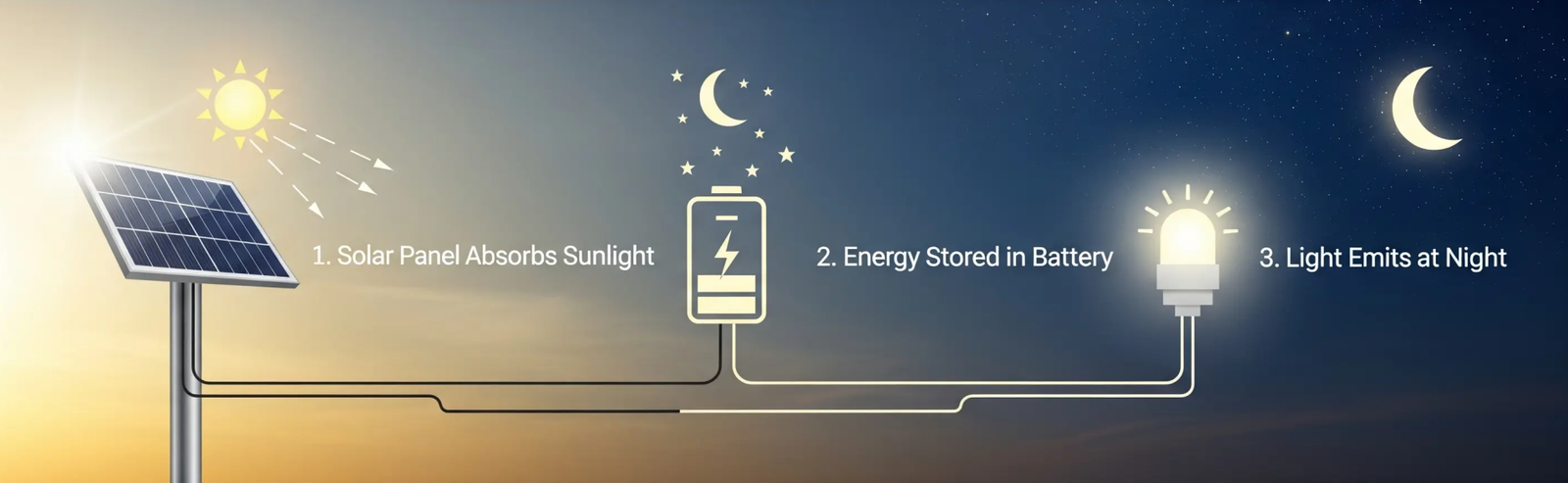
To evaluate whether solar street lighting is reliable for a specific road project, the following factors are critical:
Solar System Matching
A reliable system balances:
- Solar panel capacity
- Battery storage
- LED power consumption
Oversizing one component while undersizing another often leads to early failure.
Battery Strategy Over Capacity
Battery reliability depends more on:
- Depth of discharge control
- Charging logic
- Temperature management
Projects that focus only on “larger battery capacity” often overlook long-term degradation.
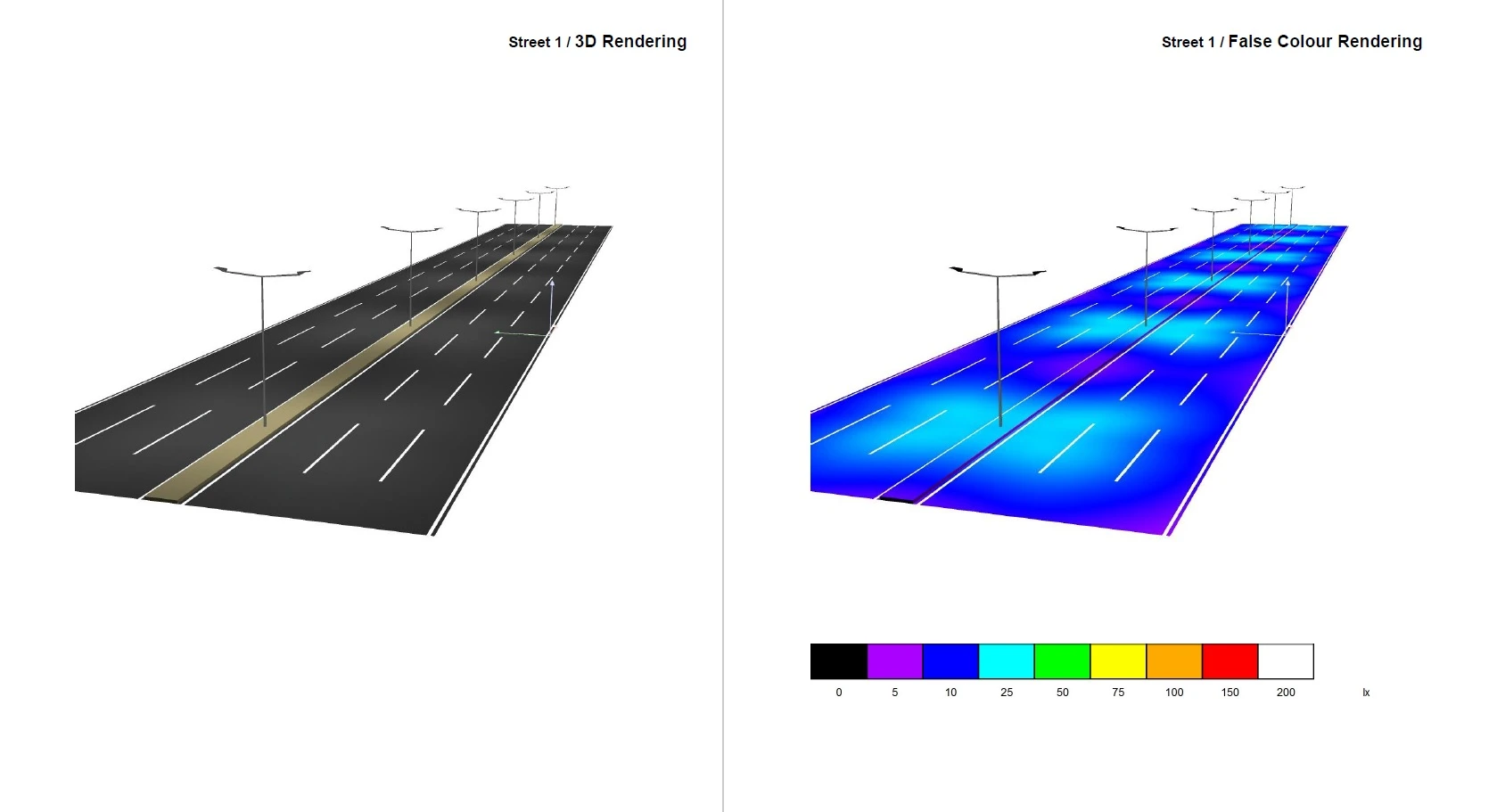
Lighting Design Based on Real Road Conditions
Reliable road lighting is not about maximum brightness, but about:
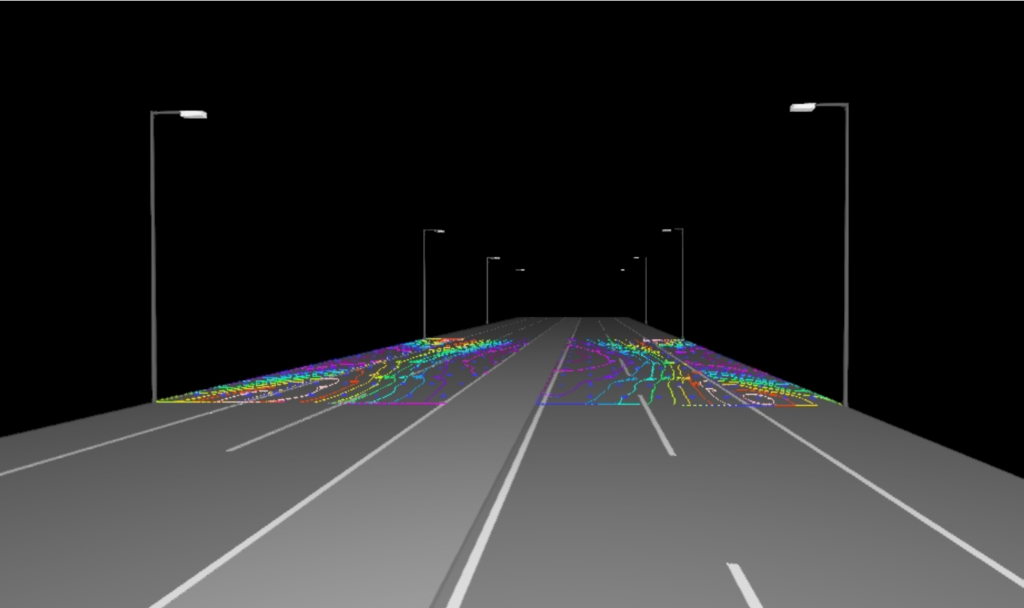
- Uniform illumination
- Proper optical distribution
- Matching wattage to road width and pole height
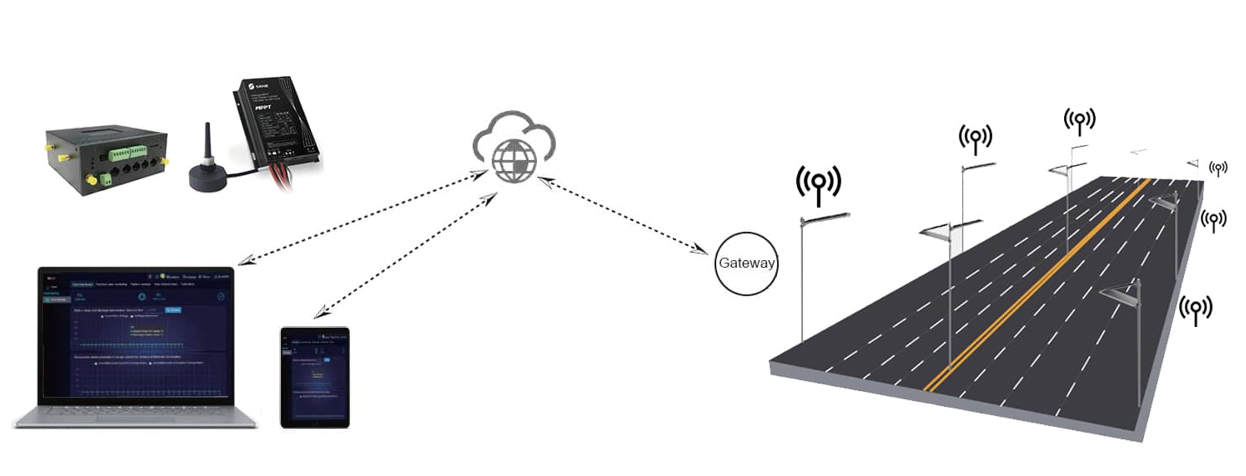
Controller and Energy Management Logic
An intelligent controller helps:
- Adjust output during low-solar periods
- Protect battery lifespan
- Maintain consistent night-long lighting
This is one of the most underestimated elements in project reliability.
Project-oriented solar street lights are designed differently from mass-market products.
They typically emphasize:
- System stability over headline brightness
- Long-term operation over short-term cost
- Engineering evaluation over generic configuration
This approach significantly improves reliability in road projects, especially those with long operating cycles.
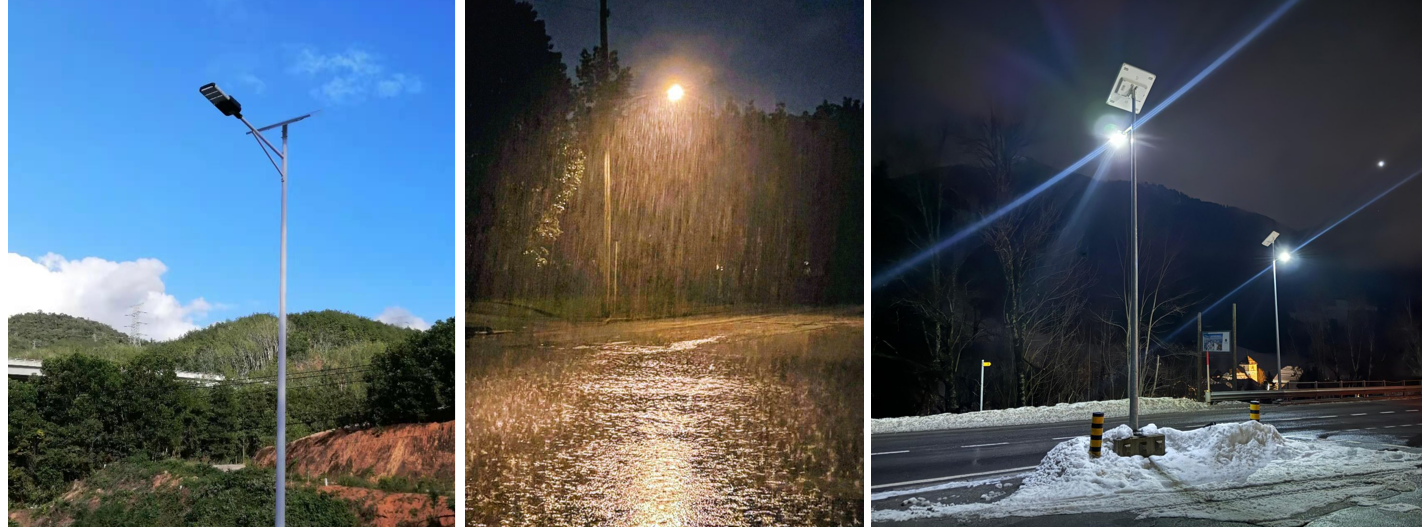
At Aimlux Lighting, many solar street lighting solutions are developed with this project-oriented approach in mind, focusing on system balance and stable long-term performance rather than headline specifications.
Before finalizing a solar lighting solution, experienced project teams usually assess:
- Road width and lighting class requirements
- Pole height and spacing
- Local solar irradiation data
- Seasonal weather conditions
- Expected maintenance accessibility
This evaluation stage is where many successful projects are decided—or prevented from failing.
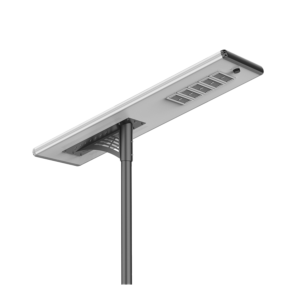
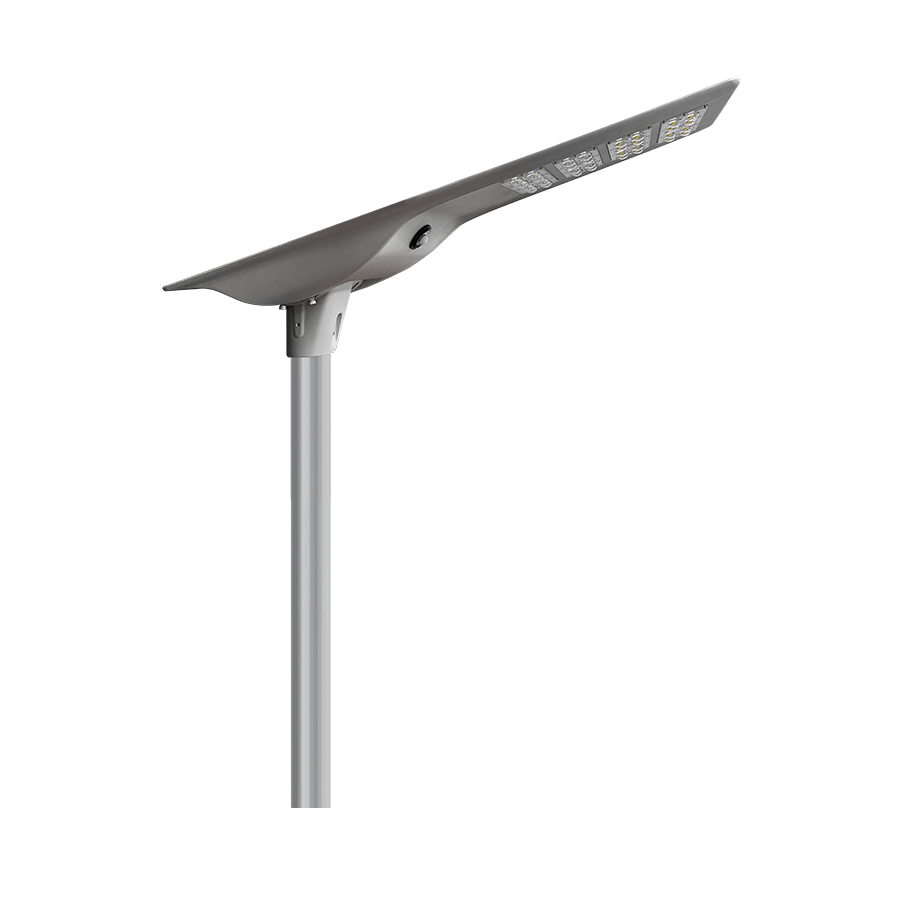


Is Solar Street Lighting Reliable for Road Projects? A Practical Engineering Guide
Solar street lighting is increasingly used in road projects, but reliability depends on proper system design and project conditions. This article explains the key factors that determine long-term performance, including solar system configuration, battery strategy, lighting design, and real road parameters.

How to Design a Reliable Solar Street Lighting System?
Learn the key factors that determine solar street lighting performance, including road width, pole height, spacing, climate conditions, and backup days. A practical guide for planning reliable solar street lighting projects.
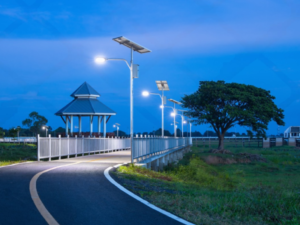
🌞 The Ultimate Guide to Solar Street Lights: A Sustainable Solution for Urban and Rural Lighting
As the world shifts towards sustainable energy solutions, solar streetlights have emerged as a key player in urban and rural illumination. Combining energy efficiency, cost-effectiveness,

OEM/ODM/SKD
Why Choose Aimlux? OEM/ODM/SKD Aimlux was founded by a diverse team comprising experienced and energetic members with a cumulative industry experience that caters well to
